Visas & Immigration
TM30 Residence Notification, Explained
Understand TM30 residence-notification rules in Chiang Mai — who files, landlord vs tenant duty, online filing and penalties.
5 min read
What TM30 is, in one sentence
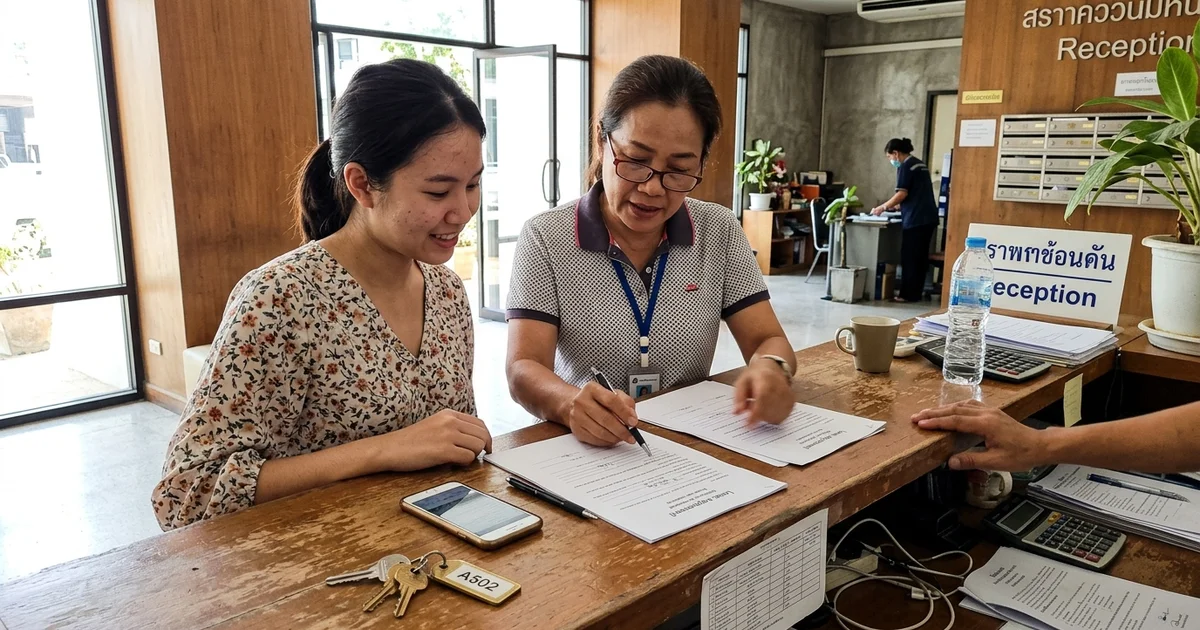
TM30 is the notification the owner of a property makes to immigration to say that a foreigner is staying at that address.
That’s it. It is not about you, technically — the legal obligation sits with the property owner, not the tenant. But it appears in our visa guide because when it hasn’t been filed, the person who gets turned away at the immigration counter is you.

When it applies
A TM30 should be filed when a foreigner takes up residence at an address. In practice, that means:
- When you first move into a condo, apartment or house
- When you move to a new address
- When you return to Thailand from a trip abroad
- After a stay at a hotel elsewhere in the country, according to some offices
Hotels file it automatically for every foreign guest — that’s why you never think about it while travelling. Landlords are far less consistent. A missing TM30 most often surfaces when you turn up to do your 90-day report and are sent away to sort it first.
Landlord versus tenant, in practice
Here’s the gap between the rule and reality.
The rule: the house master, owner or possessor of the residence files the notification within 24 hours of the foreigner’s arrival.
The reality: many small landlords in Chiang Mai either don’t know this or don’t bother, particularly with older buildings and private house rentals. Larger condo buildings with a juristic office usually handle it as routine. Newer buildings marketed to foreigners almost always do.
So the practical advice is straightforward: ask about TM30 before you sign the lease. A landlord who immediately says “yes, we file that, here’s how it works” is telling you something useful about how professionally the property is run generally. Our guide to renting a condo covers the other questions worth asking at the same time.
Keep the receipt
Once filed, you get a receipt — a printed slip or a digital confirmation. Photograph it and keep it in the same folder as your passport copies and lease. Immigration may ask for it during an extension application, a 90-day report or a Certificate of Residency request.
How it gets filed
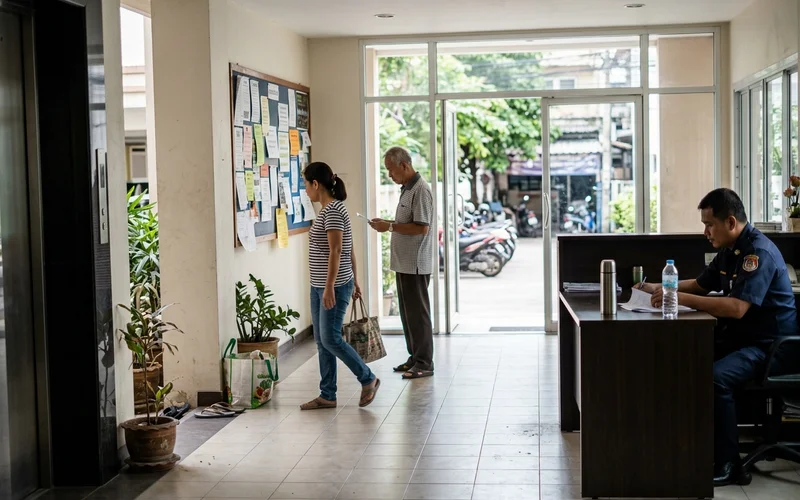
Three routes:
| Method | Who uses it | Notes |
|---|---|---|
| Online system | Landlords and condo offices | Requires a registered account; fastest once set up |
| In person at immigration | Landlords, or tenants with authorisation | Needs owner ID and house book copies |
| Via the juristic office | Larger condo buildings | Usually automatic, ask them to confirm |
If your landlord is willing but disorganised, offering to file it yourself with their documents is often the fastest path. You’ll need copies of their ID card, the house registration book (tabien baan), the lease, and a signed letter authorising you to act.
Penalties and enforcement
The fine for non-notification falls on the property owner, and can run to several thousand baht. Enforcement has fluctuated significantly over the years — periods of strict checking followed by periods where nobody asks.
The risk to you is indirect but real. When immigration asks for a TM30 receipt during an extension or a Certificate of Residency application and you don’t have one, the transaction stops. You go home, chase the landlord, and come back another day.
That’s the whole reason to sort it early rather than assume it’s someone else’s problem.