Living in Chiang Mai
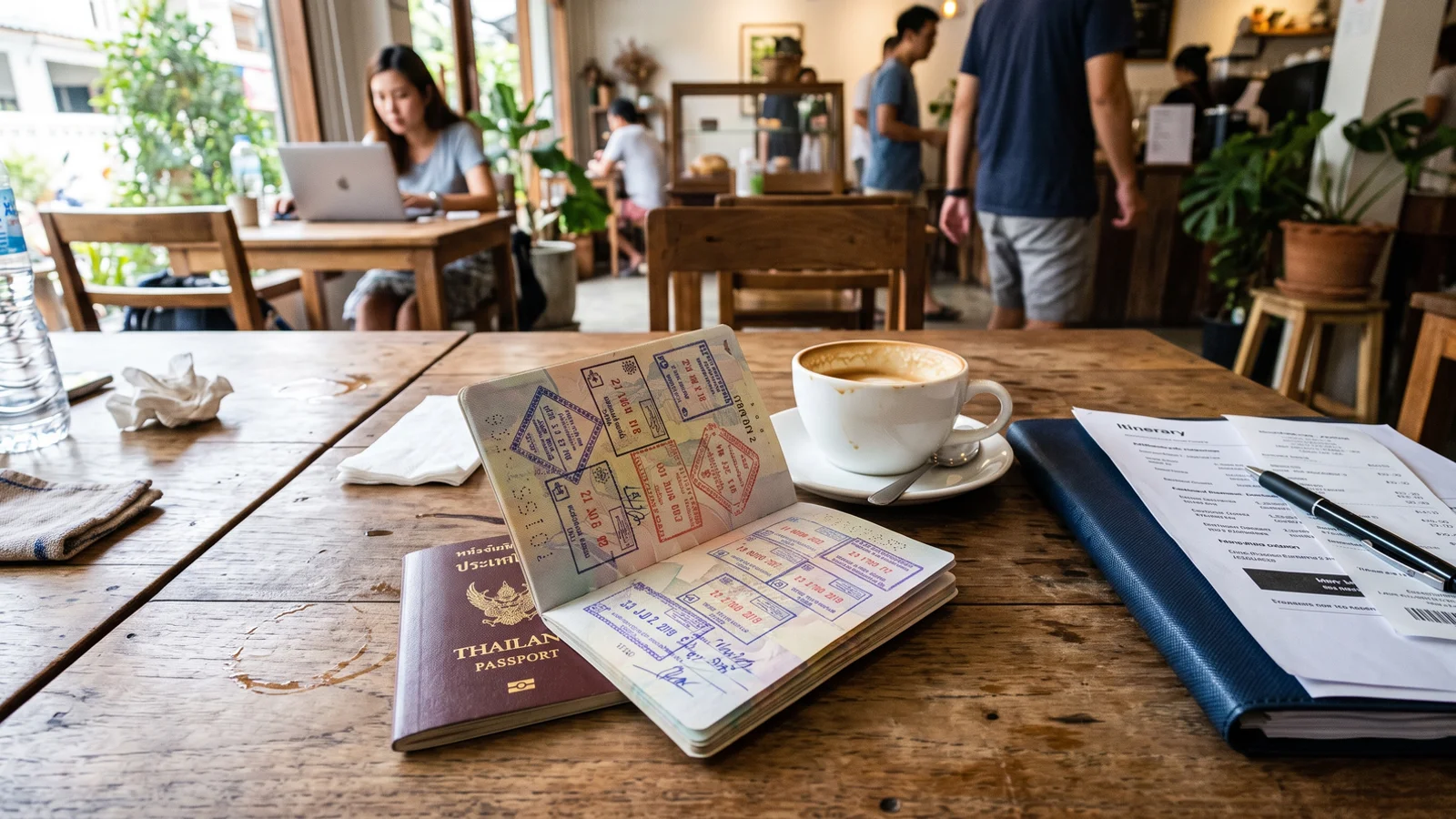
Visas & Immigration
Everything you need to handle visas and immigration in Chiang Mai.
Living in Chiang Mai
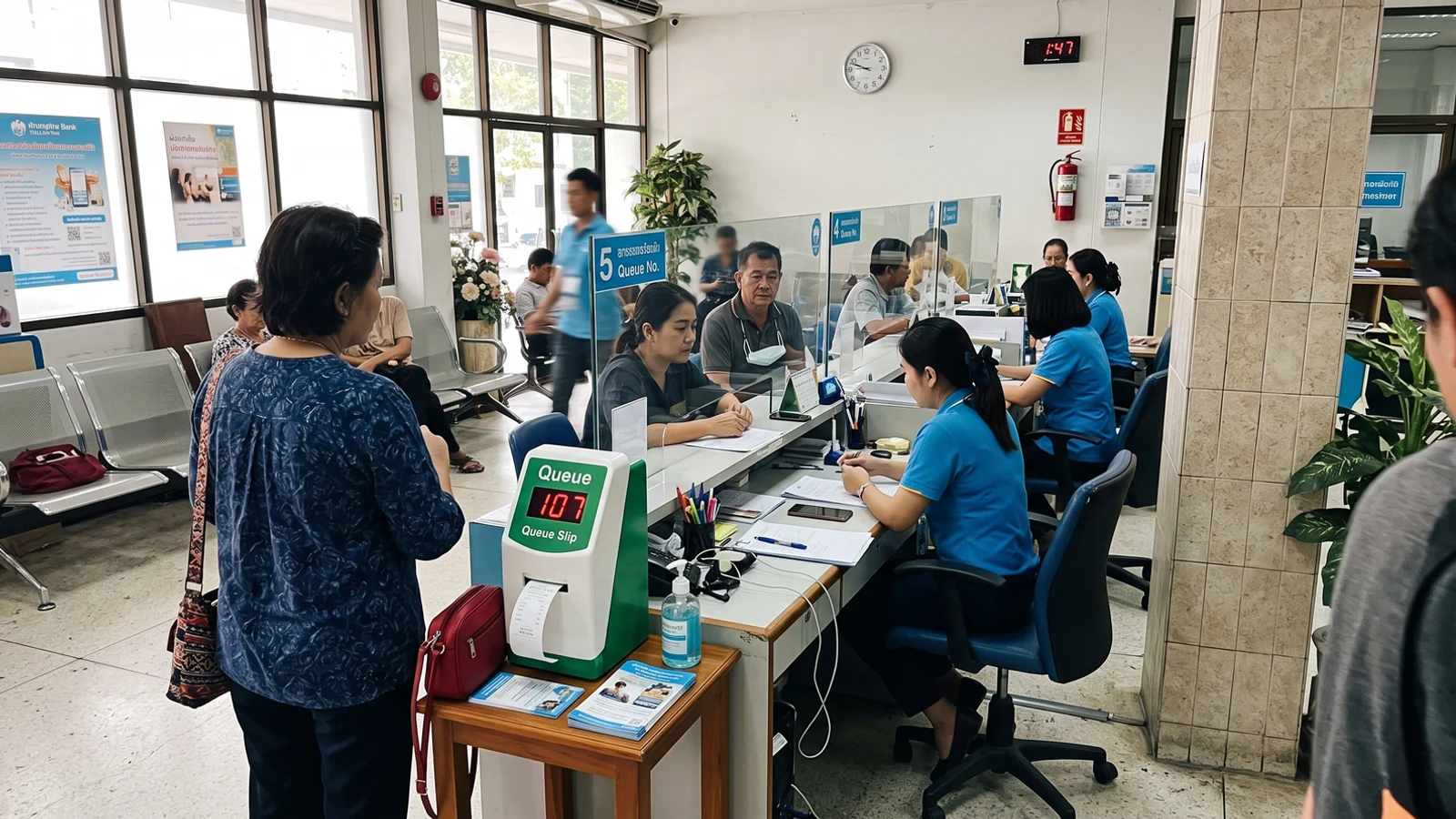
A reference for managing money as a foreigner in Chiang Mai — which banks accept which visas, how to open an account, and the cheapest, fastest ways to move money in and out of Thailand.
In this section
Which Chiang Mai branches say yes to which visa types, and the documents that make the difference.
Wise versus SWIFT versus card withdrawals, and which one wins at different amounts.
PromptPay, QR payments, app transfers and why almost nobody here carries a chequebook.
The 220 THB foreign card fee, double conversion at ATMs, and the settings that stop both.
Thailand runs on instant bank transfers. Rent, utilities, the noodle stall, the coworking space, your scooter mechanic — almost everything can be settled with a QR code and a phone. Once you have a Thai account and PromptPay linked, daily life gets noticeably simpler and cheaper, because you stop paying ATM fees on every cash withdrawal.
Getting that account is the hurdle. Thai banks tightened their approach to foreign customers over recent years, and the outcome now depends heavily on your visa type, the specific branch and, honestly, who is behind the desk that morning.
Bangkok Bank has the longest history with foreign customers and the widest international transfer network. Kasikornbank (K-Bank) has the app most expats prefer day to day. SCB (Siam Commercial Bank) sits somewhere between the two and is widely used by Thai employers.
The practical advice we give repeatedly: the branch matters more than the brand. Central branches used to serving foreigners — those near Nimman, the Old City and the major malls — tend to be far more comfortable with a long-stay visa application than a suburban branch that rarely sees one.
Bring more documentation than you expect to need:
For regular transfers of ordinary size, a Wise transfer is normally the cheapest and fastest route: better exchange rate, transparent fee, arrival usually within a day.
Traditional SWIFT code transfers still have their place. If you need documented proof that funds arrived from overseas — which matters for some retirement visa applications and for property purchases — a coded international transfer through your Thai bank creates the paper trail a Wise transfer sometimes doesn’t.
If your income is foreign income paid abroad, keep records of how and when it entered Thailand. Thai tax treatment of remitted foreign income has been an active topic, and good records cost nothing to keep.
Three quick wins that save real money over a year:
Guides
Every evergreen guide we've published on banking & money in Chiang Mai.
Step by step
Open a Thai bank account in Chiang Mai on various visas — which banks accept which visas, required documents, the agent option and tips.
6 min read
Step by step
The cheapest, fastest ways to move money in and out of Chiang Mai — Wise vs SWIFT, fees and timing, receiving foreign income and ATM notes.
5 min read
Got questions?
Keep exploring
Living in Chiang Mai
Everything you need to handle visas and immigration in Chiang Mai.
Living in Chiang Mai
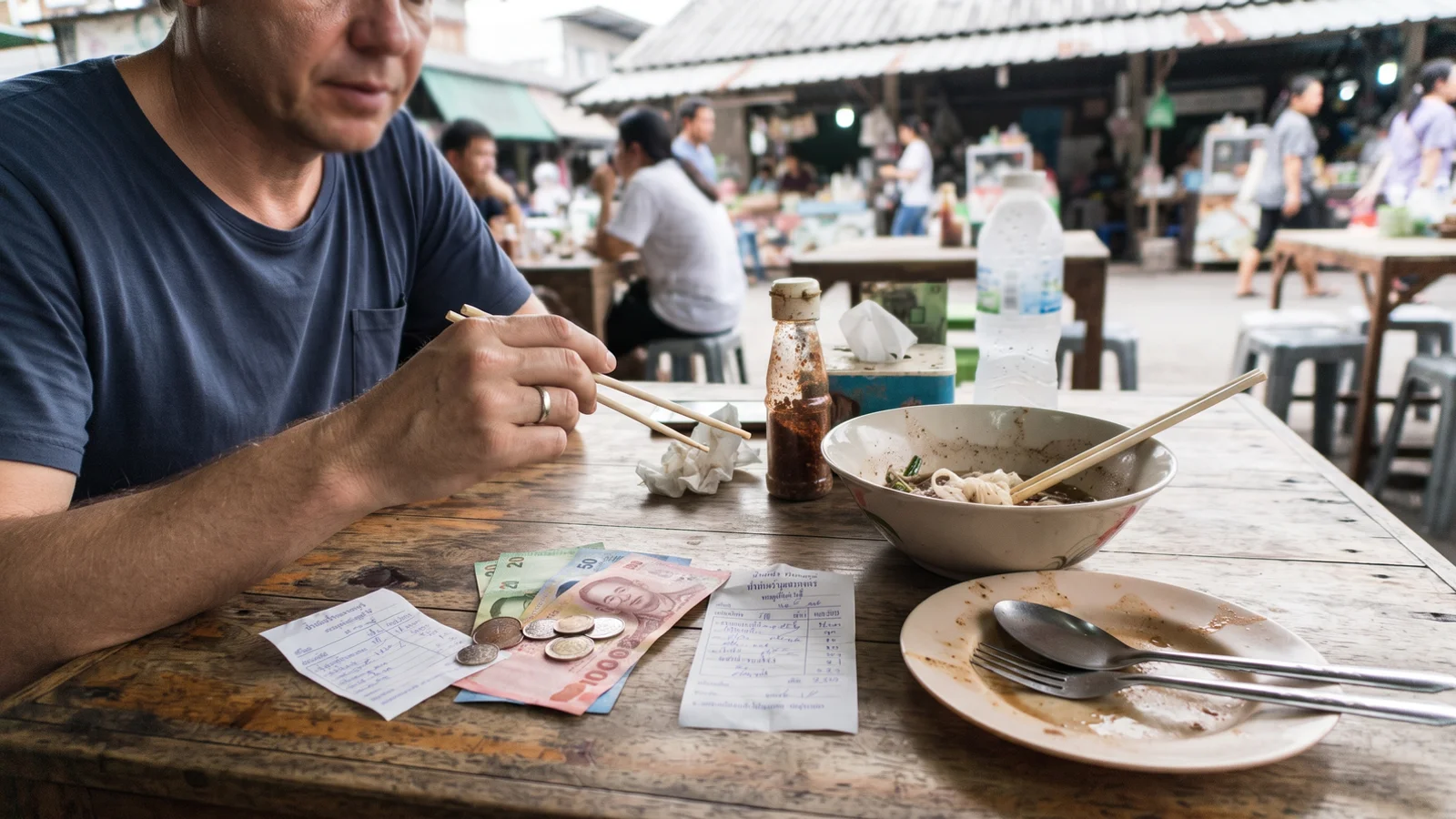
Realistic budgets and spending breakdowns for living in Chiang Mai.
Living in Chiang Mai
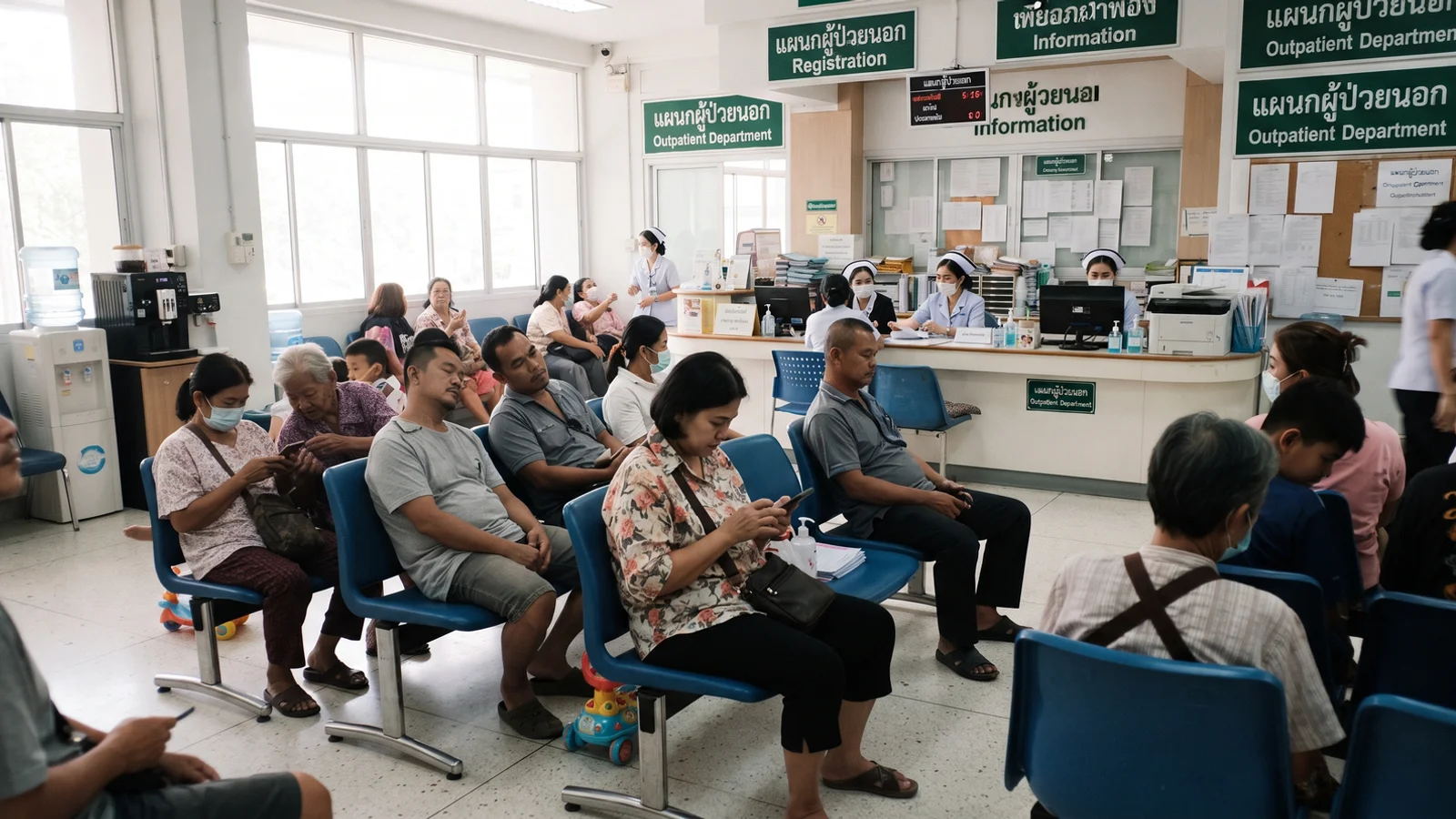
Hospitals, insurance and dental care for foreigners in Chiang Mai.
Newsletter
Twice a month: new openings, events, changes worth knowing about, and our latest guides. No filler.

The Chiang Mai Brief
Twice a month we send the openings, changes and guides worth knowing about. It takes two minutes to read.