Accommodation & Renting
How to Rent a Condo in Chiang Mai
Find and secure a Chiang Mai condo rental — where to search, viewing tips, contract basics and how agents work locally.
6 min read
Before you search: pick the area
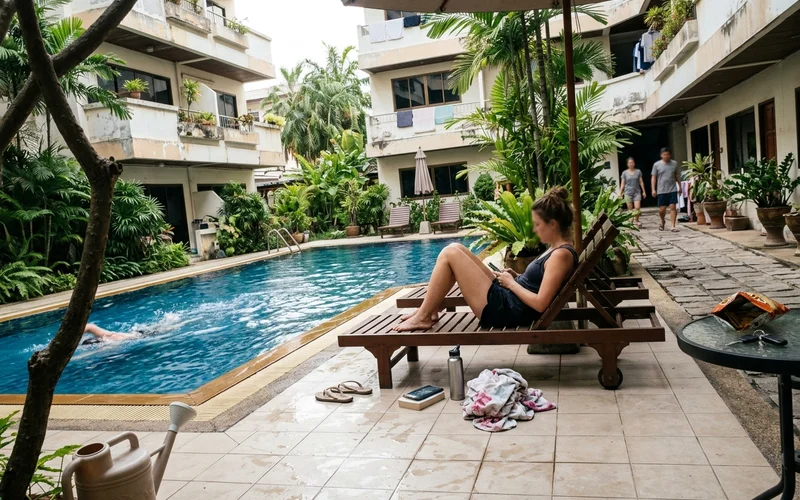
The single most common renting mistake in Chiang Mai is choosing a unit before choosing a neighbourhood. Buildings look similar in photographs; the streets around them do not.
Spend a few days in the city first, ride or walk the areas you’re considering at both 9am and 9pm, and only then start looking at listings. Our renting hub and the neighbourhood guides cover what each area is actually like.
Where to search
Facebook groups are the primary market here, and it genuinely surprises people arriving from countries with mature property portals. Listings move fast, prices are realistic, and you deal directly with owners or their agents.
Walking the buildings. Many older, well-located blocks never advertise online. A sign at the gate or a word with the security guard is the whole marketing strategy. This works remarkably well and finds units nobody else is looking at.
Local agents. Useful for houses, for anything outside the centre, and for people who want the process handled. They typically don’t charge tenants.
Property portals. Worth browsing to calibrate prices, less useful for actually finding a place. Listings are often stale.
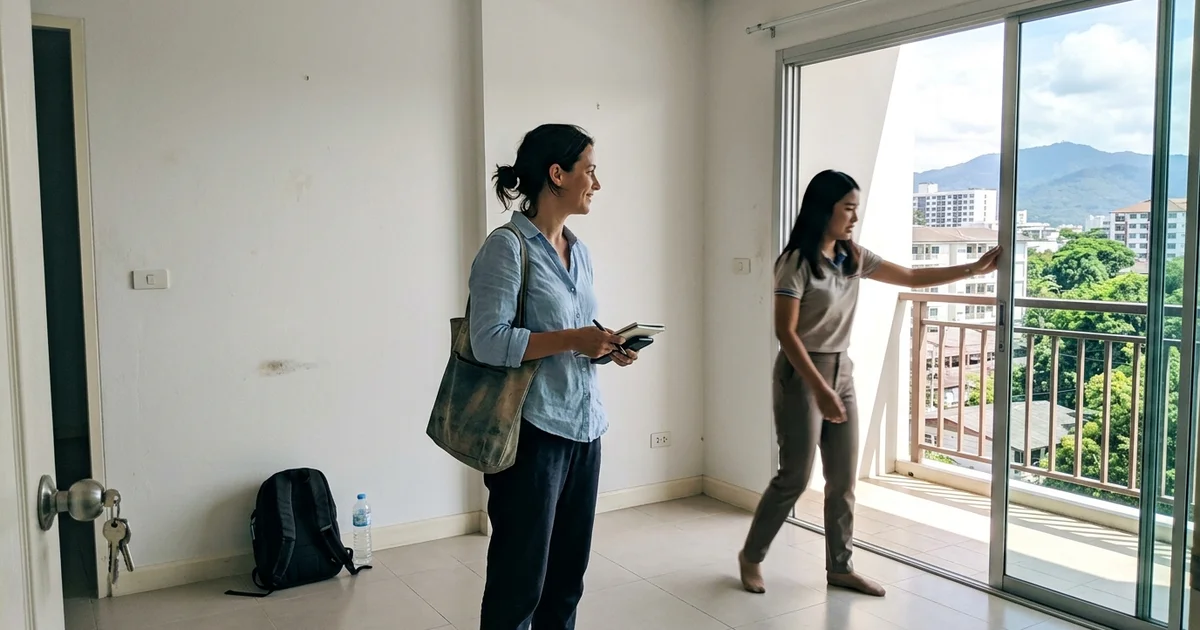
Viewing: what to check
Take twenty minutes per unit and work through this list. It’ll save you a year of irritation.
| Check | Why it matters |
|---|---|
| Water pressure | Test the shower properly, on an upper floor especially |
| Aircon | Run it. Listen for rattles. Ask when it was last serviced |
| Electricity rate | Ask the per-unit price in writing before anything else |
| Wi-Fi | Speed test in the actual room, at the actual time you’ll work |
| Noise | Open the window. Listen for road, bar, construction, dogs |
| Light | Which direction does it face? West-facing bakes in hot season |
| Lift | How many, and how old, for the number of floors |
| Security | Is there a guard, and are the entrances actually controlled |
| Water tank / pump | Older buildings can have supply issues on high floors |
Also ask what’s around: how far to a market, whether food delivery covers the address, and where you’d park a scooter.
The contract
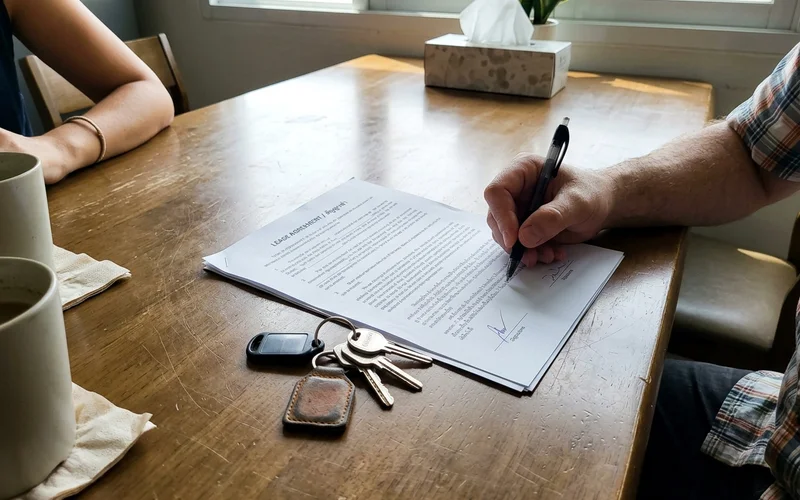
Thai rental contracts are short and generally straightforward. Read them anyway, and get an English version or a translation if one isn’t offered.
Things to confirm before signing:
- The rent, and what it includes. Usually the unit only.
- The deposit amount and the return conditions. Two months is standard.
- The electricity rate per unit. The single most important number after the rent.
- Notice period. Both directions.
- Who handles repairs. Aircon servicing in particular.
- Whether the landlord will file the TM30. Non-negotiable if you’re on a long-stay visa.
- Any restrictions. Pets, guests, subletting, working from home.
Our guide to deposits and utilities covers the money side in more detail, including how to protect a deposit you’d like to see again.
Photograph everything on move-in day
Every scratch, stain, non-working socket and cracked tile. Timestamped, and sent to the landlord in writing the same day. This twenty-minute job settles almost every deposit dispute that occurs twelve months later.
Paying
Expect to pay two months’ deposit plus the first month’s rent when you sign, in cash or by bank transfer. Get a written, signed receipt for the deposit specifically — not a line in a chat thread.
Ongoing rent is normally paid by bank transfer on a fixed date, which is one more reason to sort out a Thai bank account early.
A realistic timeline
Most people who know their area find something within a week of active looking. Allow:
- Days 1–3: walk and ride the shortlisted areas
- Days 3–6: view five to eight units
- Day 7: negotiate and sign
Don’t sign on the first viewing, even if it’s good. Seeing three units teaches you what the price actually buys, and that knowledge is worth a day.