Things To Do
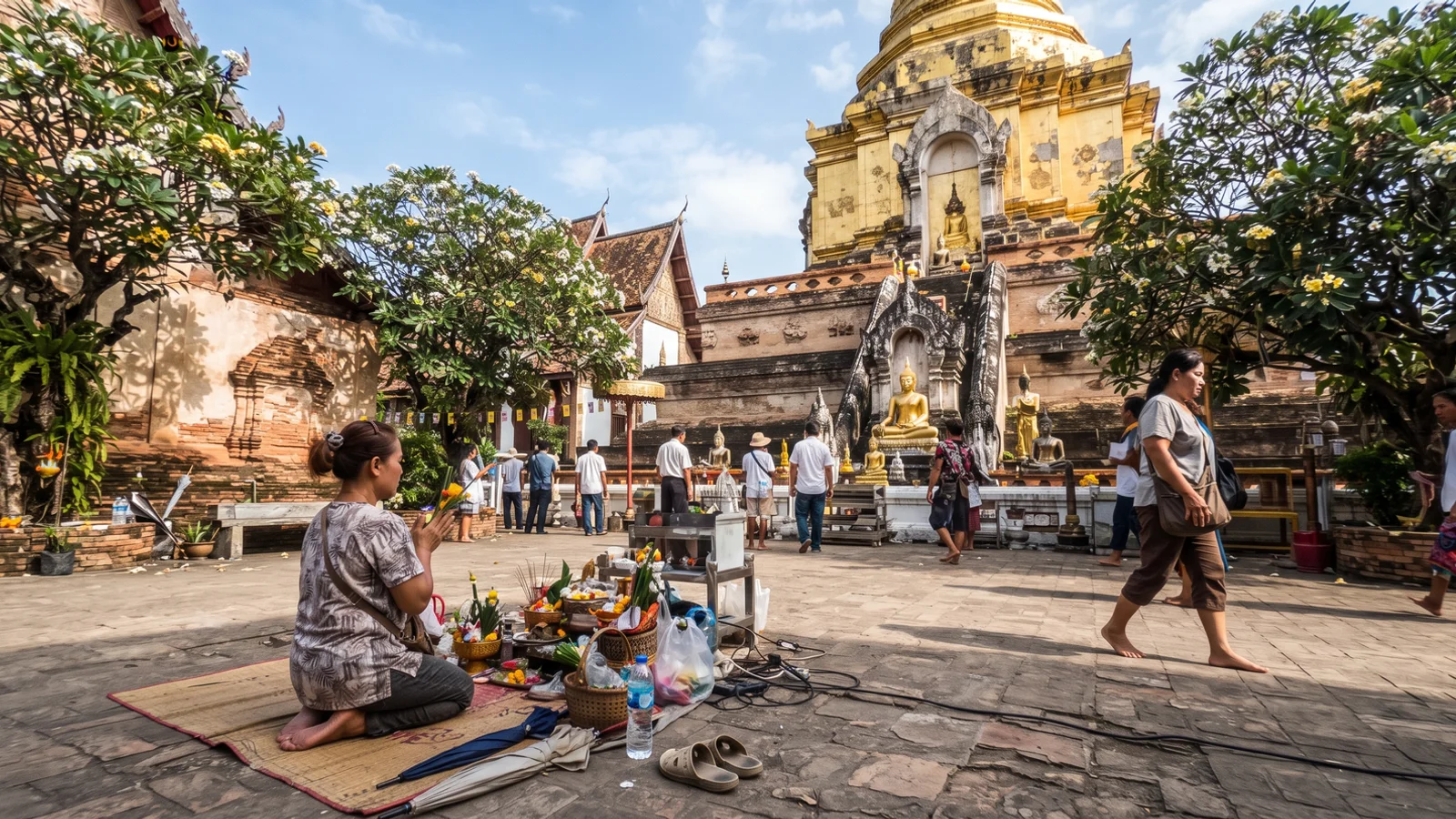
Temples & Culture
Temples, cultural sites and etiquette in Chiang Mai.
Things To Do
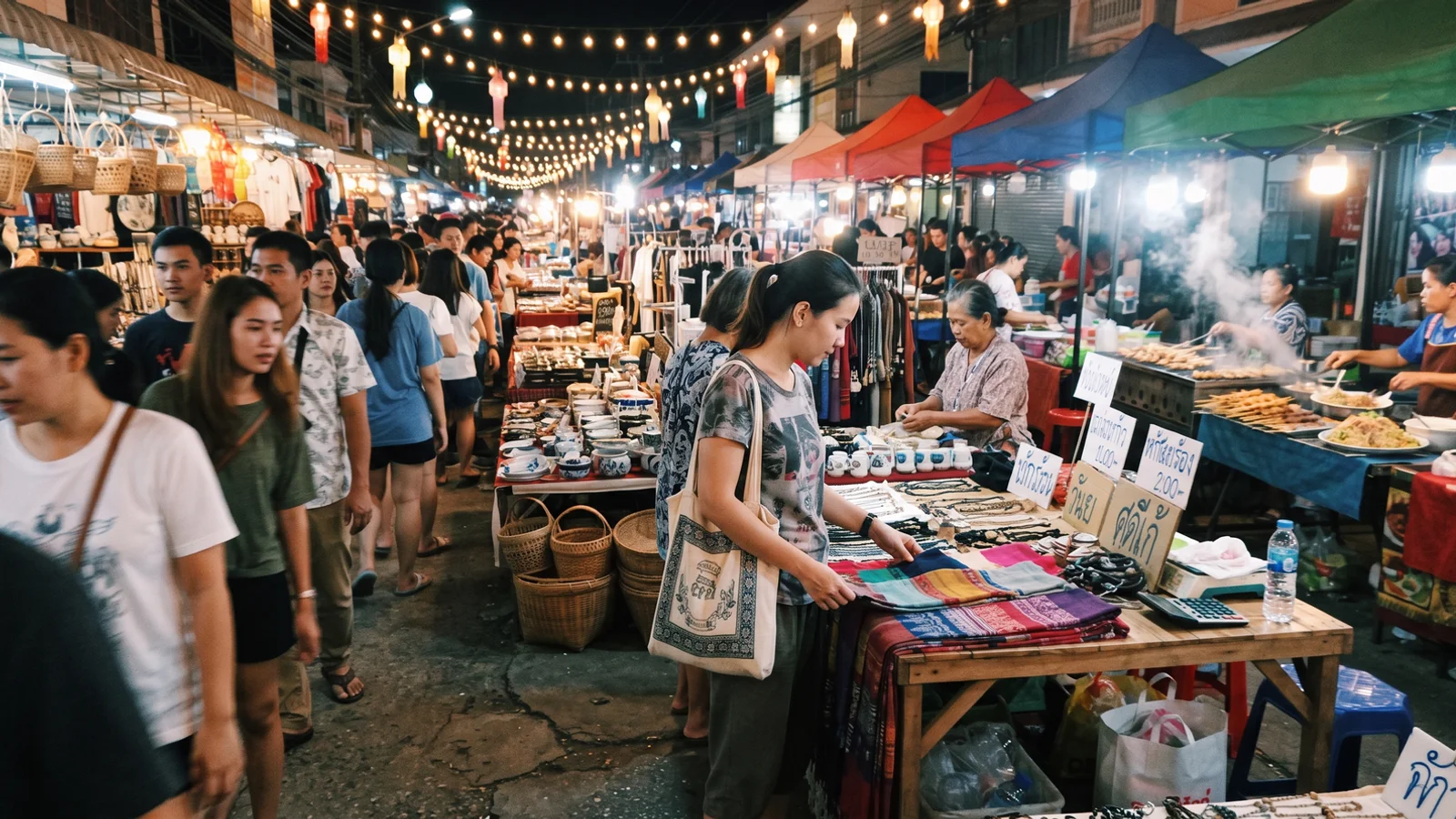
A hub for markets and shopping in Chiang Mai — the main night markets and weekend walking streets, the historic Warorot (Kad Luang) fresh market, and the organic-and-craft Jing Jai (JJ) weekend market.
In this section
A straight schedule of what runs when, so you don't turn up to a closed street on a Tuesday.
How residents actually shop the city's historic fresh market — what to buy, which floor, what time.
Jing Jai's organic produce and maker stalls, and how it differs from the tourist walking streets.
Where haggling is expected, where it isn't, and what a fair price actually looks like.
Shopping in Chiang Mai is not really about malls, though the city has several good ones. It’s about markets — daily fresh markets, weekly walking streets, evening food markets and weekend craft markets — and each one has a different function.
Getting this straight early saves a lot of wasted trips. This hub covers what runs when, what each is good for, and how residents actually use them.
| Market | When | Best for |
|---|---|---|
| Warorot Market (Kad Luang) | Daily, mornings best | Fresh produce, northern specialities, dried goods, fabric |
| Ton Payom Market | Daily | Everyday groceries, prepared food, university-area prices |
| Saturday Walking Street | Saturday evening, Wualai Rd | Crafts, silver, street food |
| Sunday Walking Street | Sunday afternoon/evening, Ratchadamnoen | The big one — crafts, music, food, atmosphere |
| Jing Jai (JJ) Market | Saturday & Sunday mornings | Organic produce, makers, coffee, brunch |
| Night Bazaar | Nightly | Convenience, food courts, souvenirs |
Warorot Market (Kad Luang) is the city’s historic commercial heart, near the river at the edge of the Chinese quarter. It’s a genuine working market rather than a visitor attraction, spread over several floors and spilling into the surrounding streets.
Go in the morning. The ground floor is fresh produce and prepared northern food — this is where to buy sai oua sausage, nam prik, dried chillies and sticky rice by weight. Upper floors run to clothing and fabric. The surrounding lanes have flowers, dried goods and some of the best-value snacks in the city.
The Sunday Walking Street is the city’s signature event and genuinely worth planning around. Ratchadamnoen closes to traffic and fills with craft stalls, buskers, temple food courts and several thousand people. It’s crowded, and that’s part of it.
The Saturday Walking Street on Wualai Road is smaller, historically the silversmiths’ street, and slightly less overwhelming. Many residents prefer it.
Both are best entered from an end rather than the middle, and both are far more pleasant before 7pm.
Jing Jai (JJ) Market on Saturday and Sunday mornings has become the weekend fixture for a lot of Chiang Mai residents: organic farm produce, small-batch makers, good coffee, and shaded seating under trees. It’s the least touristed of the big markets and the most pleasant to browse slowly.
Arrive before 10am if you want the good produce and a table.
Guides
Every evergreen guide we've published on markets & shopping in Chiang Mai.
Explainer
A guide to Chiang Mai's main night markets and weekend walking streets — the Sunday and Saturday streets, the Night Bazaar, timing and what to buy.
6 min read
What to expect
A guide to Chiang Mai's Jing Jai (JJ) weekend market — days and hours, organic produce and crafts, food stalls, and who it suits.
5 min read
What to expect
A visitor guide to Warorot Market (Kad Luang), Chiang Mai's historic fresh and dry-goods market — what's sold, best sections, timing and nearby spots.
5 min read
Got questions?
Keep exploring
Newsletter
Twice a month: new openings, events, changes worth knowing about, and our latest guides. No filler.
The Chiang Mai Brief
Twice a month we send the openings, changes and guides worth knowing about. It takes two minutes to read.