Living in Chiang Mai
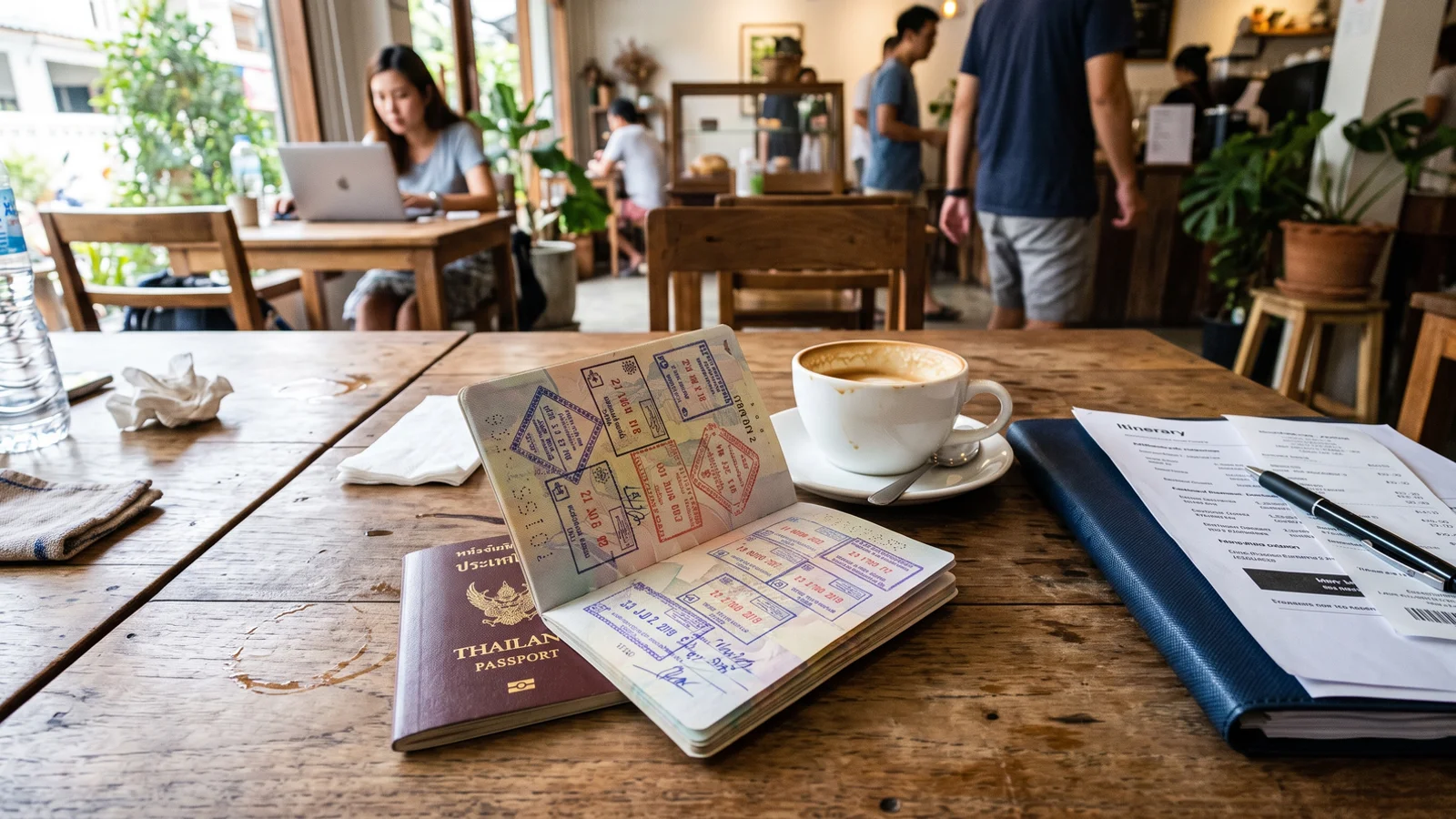
Visas & Immigration
Everything you need to handle visas and immigration in Chiang Mai.
Living in Chiang Mai
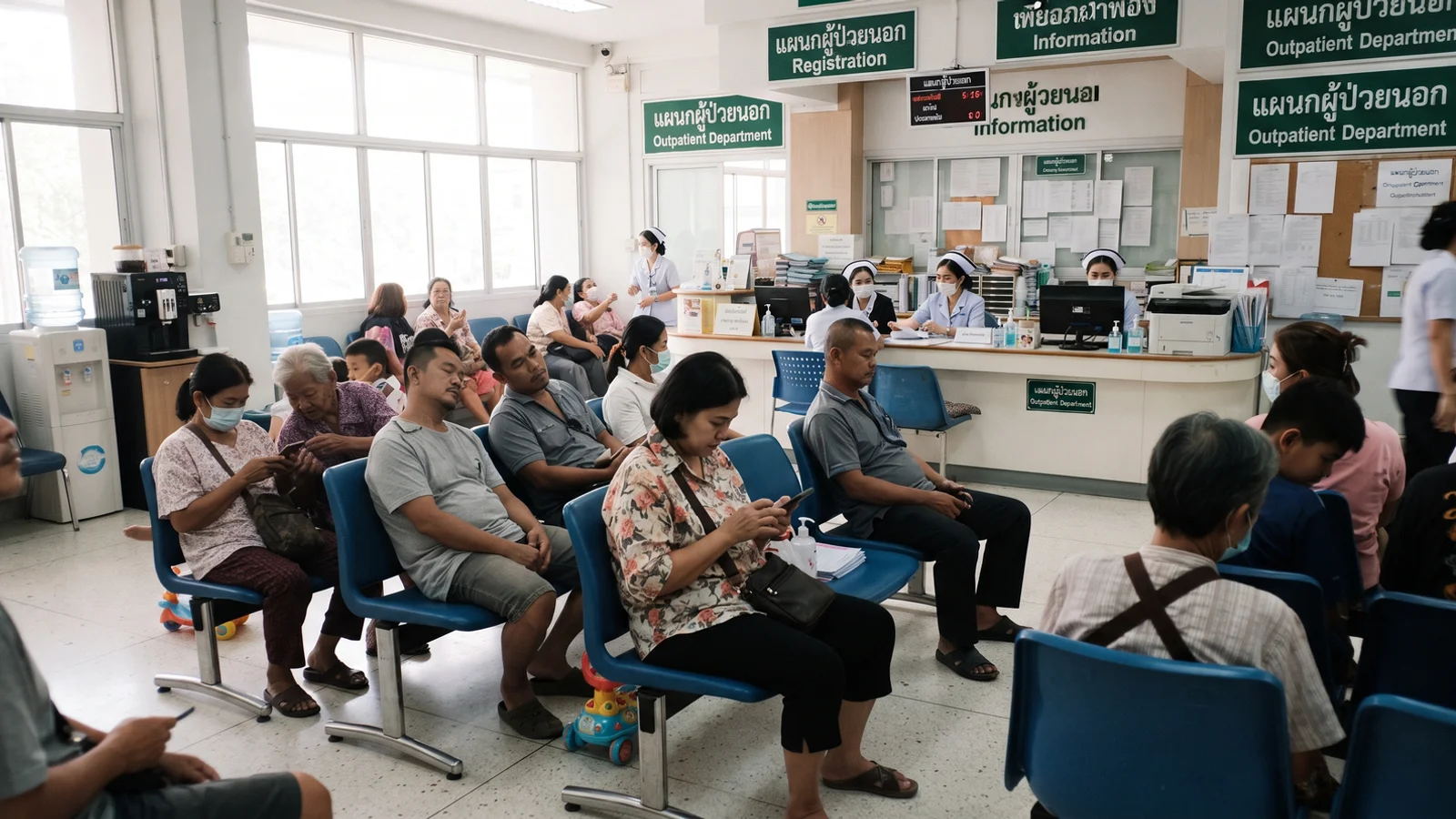
A practical guide to medical care in Chiang Mai — comparing the main private and public hospitals, understanding health insurance options for foreigners, and finding dental care.
In this section
The differences between the main private hospitals and the university hospital, and when each is the right choice.
How nomad travel cover, local Thai policies and full international plans differ once you need to claim.
Realistic figures for consultations, scans, procedures and dentistry so you can judge whether to claim or self-pay.
Where residents actually go for cleanings, crowns and implants, and why people fly in for it.
Healthcare is one of the genuine strengths of living in Chiang Mai. The city has several private hospitals with international departments, a well-regarded university teaching hospital, and a dental sector good enough that people fly here specifically for it. Waiting times are short, appointments are usually same-week, and costs sit well below Western equivalents.
The trade-off is that almost everything runs on payment-at-point-of-service. Even with insurance, you’ll often pay and claim back, so a working understanding of prices matters.
Bangkok Hospital Chiang Mai is the polished private option, part of a national group, with JCI accreditation and the strongest English-language support. It’s the most expensive of the three and the most familiar-feeling to Western patients.
Chiangmai Ram Hospital is the long-established local private hospital, slightly cheaper, popular with residents and equally used to foreign patients. Many long-term expats end up here for routine care.
Maharaj Nakorn (Suan Dok) is the Chiang Mai University teaching hospital. Specialist expertise is excellent and prices are dramatically lower, but you should expect longer waits, more Thai-language navigation and a busier environment. For complex specialist cases, many residents go here deliberately.
Insurance is where people make the costliest mistakes. The main categories:
| Type | Examples | Best for |
|---|---|---|
| Nomad travel cover | SafetyWing | Short stays, emergencies, low premiums |
| Local Thai policies | Thai insurers, Luma | Residents wanting local-network cover |
| Full international | Cigna Global and similar | Long-term residents, families, repatriation cover |
Read the OPD / IPD split carefully, check whether pre-existing conditions are excluded, and confirm whether the policy pays the hospital directly or expects you to claim. If you hold a Non-OA retirement visa, check the required minimum cover before renewal season, not after.
Dental care deserves a mention in its own right. Established Chiang Mai clinics do cleanings, fillings, crowns, root canals and implants to a high standard at prices that make the flight worthwhile for many visitors. Residents typically book a cleaning every six months and think nothing of it.
For everyday complaints, neighbourhood pharmacies handle far more here than in most Western countries — a pharmacist will often deal with a minor infection or a persistent cough directly and point you to a hospital if it needs one.
Guides
Every evergreen guide we've published on healthcare & hospitals in Chiang Mai.
Explainer
Chiang Mai's main expat-friendly hospitals — Bangkok Hospital, Chiangmai Ram and Maharaj/Suan Dok compared, with pricing and accreditation notes.
6 min read
Scenario
A guide to dental treatment in Chiang Mai for expats and visitors — recommended clinics, typical prices, dental-tourism notes and what to expect.
5 min read
Do you qualify?
Health insurance options for foreigners in Chiang Mai — local vs international insurers, nomad insurance, what to check and typical costs.
6 min read
Got questions?
Keep exploring
Living in Chiang Mai
Everything you need to handle visas and immigration in Chiang Mai.

Living in Chiang Mai
Realistic budgets and spending breakdowns for living in Chiang Mai.
Living in Chiang Mai
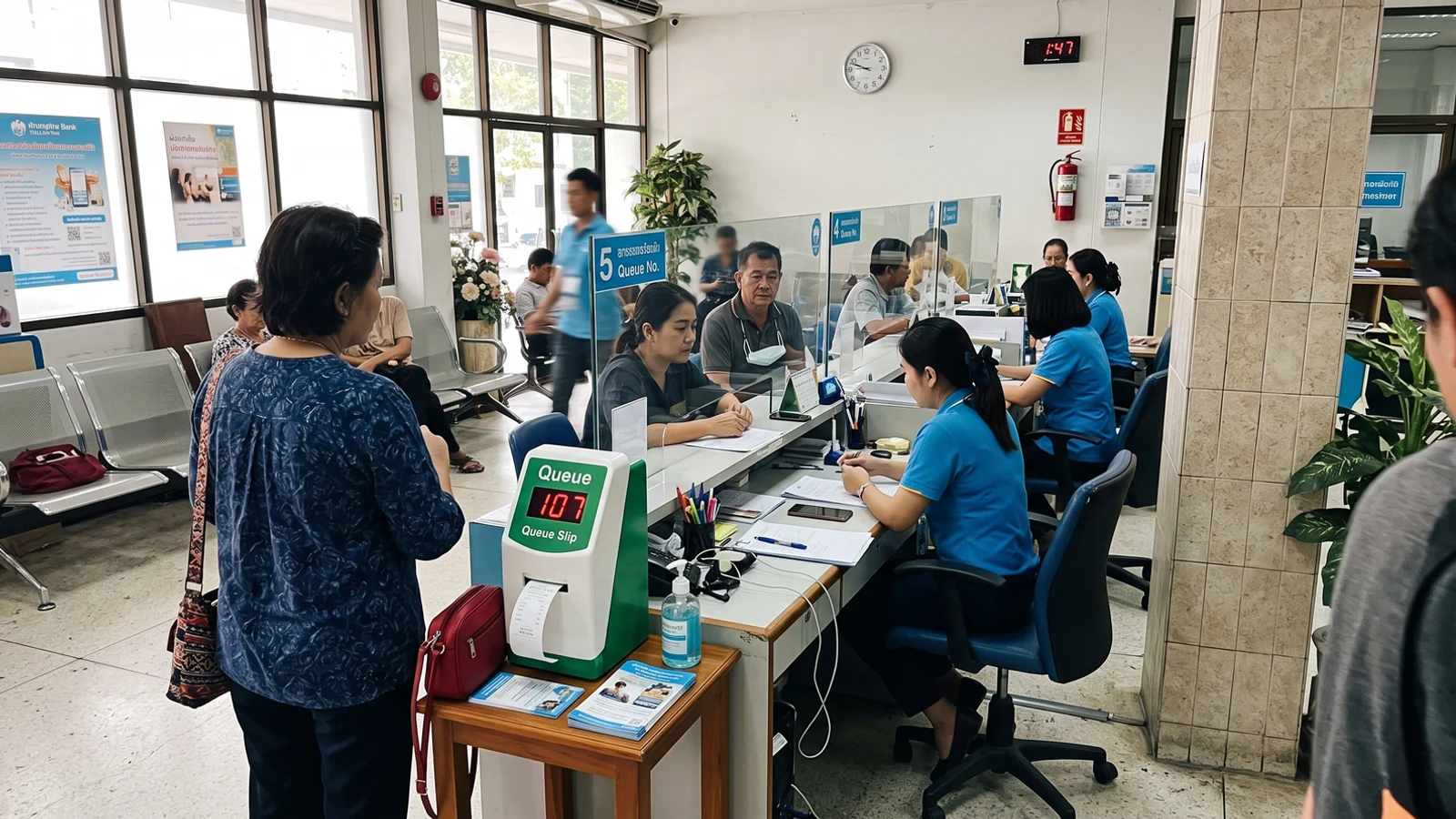
Opening accounts and moving money as a foreigner in Chiang Mai.
Newsletter
Twice a month: new openings, events, changes worth knowing about, and our latest guides. No filler.

The Chiang Mai Brief
Twice a month we send the openings, changes and guides worth knowing about. It takes two minutes to read.