Healthcare & Hospitals
The Best International Hospitals in Chiang Mai
Chiang Mai's main expat-friendly hospitals — Bangkok Hospital, Chiangmai Ram and Maharaj/Suan Dok compared, with pricing and accreditation notes.
6 min read
Chiang Mai’s hospital landscape
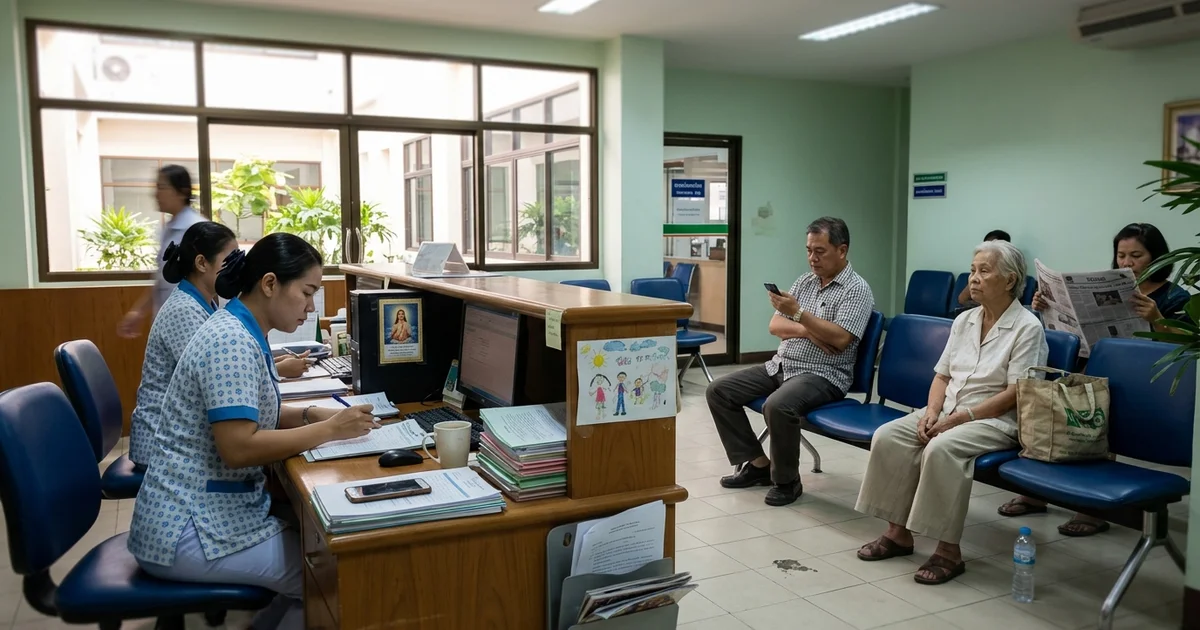
Healthcare is one of the strongest arguments for living in Chiang Mai. The city has two well-established private hospitals with international departments, a highly regarded university teaching hospital, and a network of smaller clinics and specialists. Appointments are usually same-week, waits are short, and costs sit far below Western equivalents.
This guide profiles the three hospitals that matter most for foreign residents. For the wider picture, including insurance and dental care, see our healthcare hub.
The three main options
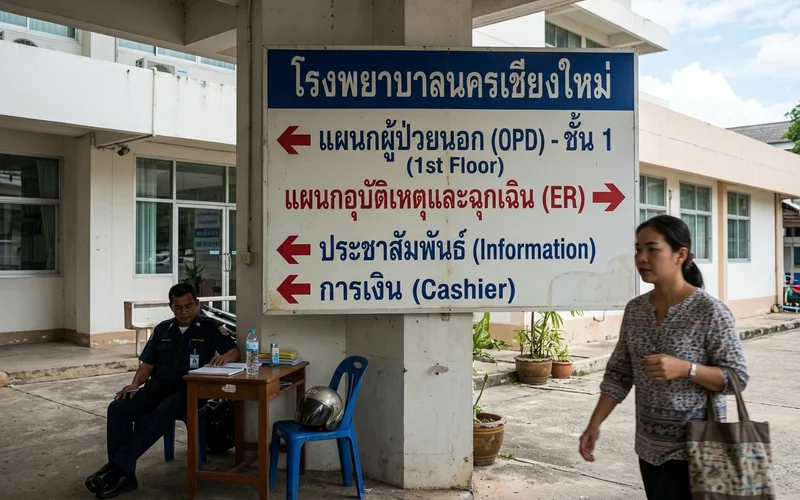
Bangkok Hospital Chiang Mai
Part of the national Bangkok Hospital group, this is the most internationally-oriented facility in the city. It holds JCI accreditation, has a dedicated international patient department, and the environment will feel familiar to anyone used to Western private healthcare.
It’s the most expensive of the three, and the difference is real rather than nominal. For emergencies, complex care and anyone who wants everything handled in English without friction, it’s the default.
Chiangmai Ram Hospital
The long-established local private hospital, and the one a large share of settled expats actually use. Costs sit below Bangkok Hospital, English-language support is solid, and the staff are thoroughly used to foreign patients.
The building is older and busier, and the experience is a little less polished. In exchange you get a meaningful reduction in cost for comparable clinical care.
Maharaj Nakorn (Suan Dok)
Chiang Mai University’s teaching hospital, and the public option. Specialist departments here are among the best in northern Thailand, and prices are a fraction of the private hospitals.
The trade-offs are genuine: long queues, a very busy environment, limited English at reception level, and a system that assumes you know how Thai hospitals work. For a routine cough it’s the wrong choice. For a complex specialist referral it may be the best care available.
Comparing them
| Bangkok Hospital CM | Chiangmai Ram | Maharaj (Suan Dok) | |
|---|---|---|---|
| Type | Private, international group | Private, local | Public, university |
| Accreditation | JCI | Thai standards | Thai standards, teaching |
| English support | Excellent | Good | Limited |
| Typical OPD consultation | Highest | Mid | Lowest |
| Waiting times | Short | Short–moderate | Long |
| Best for | Emergencies, comfort, insurance direct billing | Everyday private care | Specialist care on a budget |
What things cost
Rough guidance for outpatient care, before tests or procedures:
- Private hospital consultation: 800–2,000 THB
- Basic blood panel: 1,500–4,000 THB
- X-ray: 800–2,000 THB
- Public hospital consultation: a small fraction of the above
Many residents self-pay routine visits — it’s often cheaper than the insurance excess — and hold insurance for anything serious. Whether that’s the right strategy depends heavily on your policy, which is covered in our guide to health insurance.
Direct billing matters more than the headline price
If your insurer settles directly with the hospital, a private admission is administratively painless. If it doesn’t, you pay a large sum up front and claim it back. Check which of the Chiang Mai hospitals your insurer has a direct-billing arrangement with before you need one.
Practical notes
Registration. First visit to any hospital means registering: passport, address, and a patient number that you’ll use forever after. Bring your passport every time.
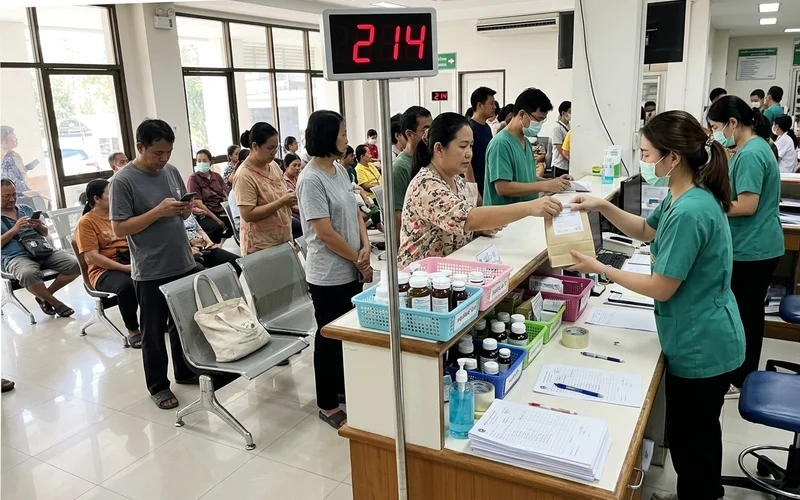
Pharmacies. Hospital pharmacies dispense on site. Neighbourhood pharmacies handle far more here than in most Western countries and are a reasonable first stop for minor complaints.
Emergencies. Both private hospitals run 24-hour emergency departments. Ambulances exist but in central Chiang Mai a Grab is often faster for anything non-critical.
Records. Ask for copies of test results and reports. Hospitals will provide them, and having your own file makes second opinions and insurance claims far easier.