Suburban & Outer Areas
Hang Dong & Nam Phrae Living Guide
A guide to Chiang Mai's southern suburban corridor for families and retirees — gated moo baans, international schools, houses and the commute.
6 min read
Why families end up south
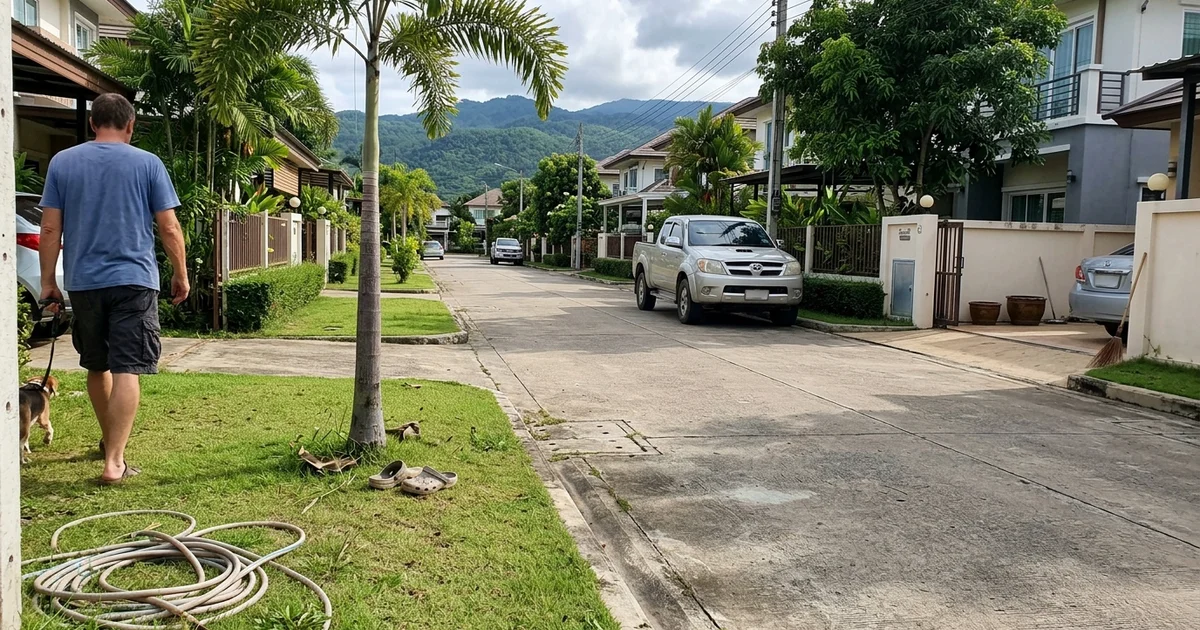
There’s a well-worn path in Chiang Mai: arrive, live in a condo near Nimman, then — when children or a desire for space arrives — move south to Hang Dong.
The corridor running south-west from the city toward the hills has become the established expat family belt, and it’s built for that role. This guide sits under our outer areas hub; for the inner-city alternatives, see the neighbourhood guides.
What the area is
Hang Dong is the district town and the commercial anchor: supermarkets, hardware shops, markets, vets, garden centres. Nam Phrae sits further out toward the hills, greener and more residential, with a concentration of newer housing developments.
Between and around them are dozens of moo baan — gated residential estates of similar houses behind a security gate, usually with a shared road network and sometimes a pool or clubhouse.
The landscape opens up as you go: rice fields, mountains on the horizon, and noticeably more sky than you get in the city. North of the city, Mae Rim and the Samoeng Loop offer a similar escape with hills instead of estates.
The housing
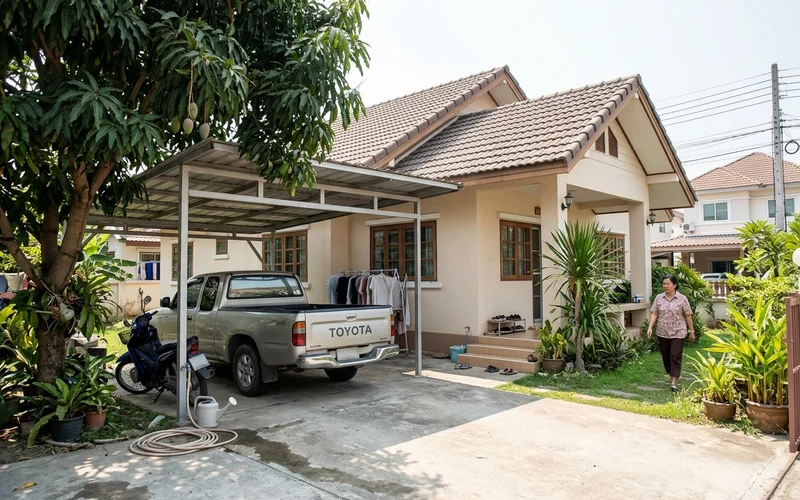
This is the main draw. What your money buys:
| Budget (monthly) | Typically |
|---|---|
| 10,000–15,000 THB | Older 2-bed house or a small newer one |
| 15,000–25,000 THB | 3-bed house with garden in a moo baan |
| 25,000–40,000 THB | Larger modern house, private pool, better estate |
| 40,000 THB+ | Substantial family homes with land |
Compare that to Nimman, where 25,000 THB gets you a good one-bedroom condo, and the appeal is obvious.
Things to check on any house viewing here:
- Water supply. Some estates run on borehole water; ask about quality and pressure.
- Internet. Fibre coverage is generally good but not universal. Verify before signing.
- Flooding. Ask about green-season water levels, particularly for houses near fields or canals.
- Estate fees. Moo baan maintenance fees are usually modest but should be confirmed.
- Neighbours and occupancy. Some estates are half empty, which affects security and atmosphere.
Schools
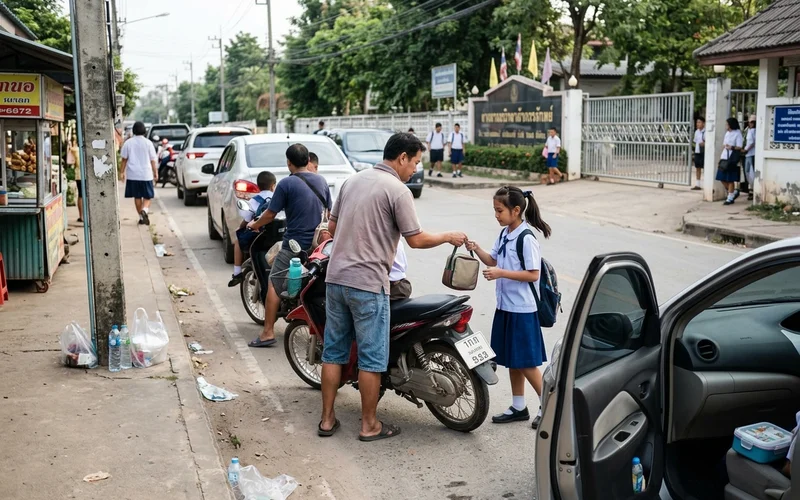
Several of Chiang Mai’s international schools sit along or near this corridor, and school choice drives where many families live down to the specific estate.
If you’re moving with children, work backwards: choose the school, then look at housing within a sensible drive of it. Research fees, curriculum, waiting lists and term dates well before you commit to a lease, because places at the popular schools are not always available on demand.
Daily life
Transport. You’ll want a car. A scooter works for Hang Dong itself and short trips, but school runs, supermarket shops and wet-season riding all argue for four wheels. Songthaew coverage thins out, and Grab is slower and pricier at distance.
Shopping. Big supermarkets, markets and the usual chains are all present. You won’t be driving into the city for groceries.
Food. Good local Thai options and a growing set of cafés and Western restaurants serving the expat population. Less variety than the city, and less late-night.
Community. Substantial and well-established. Sports clubs, school communities and social groups exist and are easy to join.
Air quality. Broadly the same as the city during burning season. Elevation doesn’t help much this close to the valley floor — don’t move here expecting clean March air.
Honest pros and cons
Pros
- Far more house for the money
- Gardens, quiet streets, space for children and pets
- Established international school access
- Strong family and retiree community
- Mountains on the doorstep
Cons
- Car dependence
- 25–40 minute commute into the city
- Less spontaneous access to Chiang Mai’s food and café scene
- Delivery coverage thinner than in town
- Estate quality varies enormously
Who it suits
Families with school-age children, retirees who want a garden, anyone with pets, and people who’ve had enough of condo living. If you’re single, working remotely and go out four nights a week, you’ll find it isolating — and that’s the honest test.