Cafés & Coffee
Chiang Mai's Best Specialty Coffee & Third-Wave Cafés
Chiang Mai's best third-wave coffee spots — notable roasters and signature cafés by area, and what makes the scene worth a detour.
5 min read
Why the scene exists
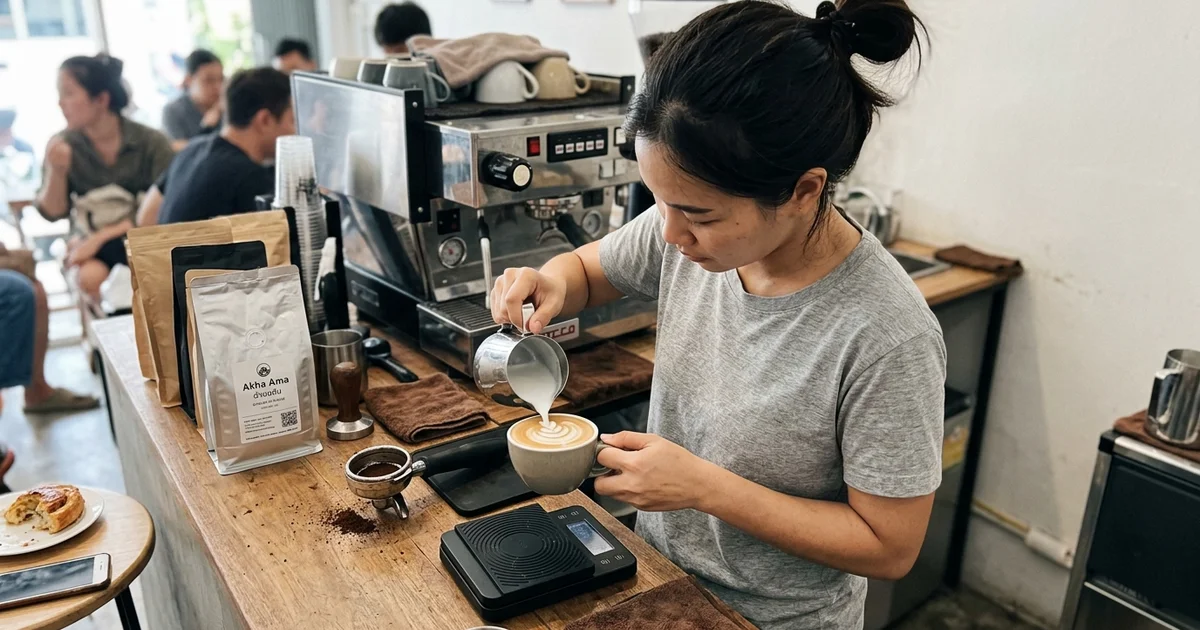
Two things came together. Northern Thailand grows arabica in the hills — a legacy of royal projects that replaced opium cultivation with coffee decades ago — so good beans are local, fresh and cheap. And Chiang Mai accumulated a large population of people who spend several hours a day in cafés and care what’s in the cup.
The result is a specialty scene with real depth. This guide sits under our cafés and coffee hub.
The northern Thai bean
Understanding the coffee makes the cafés more interesting.
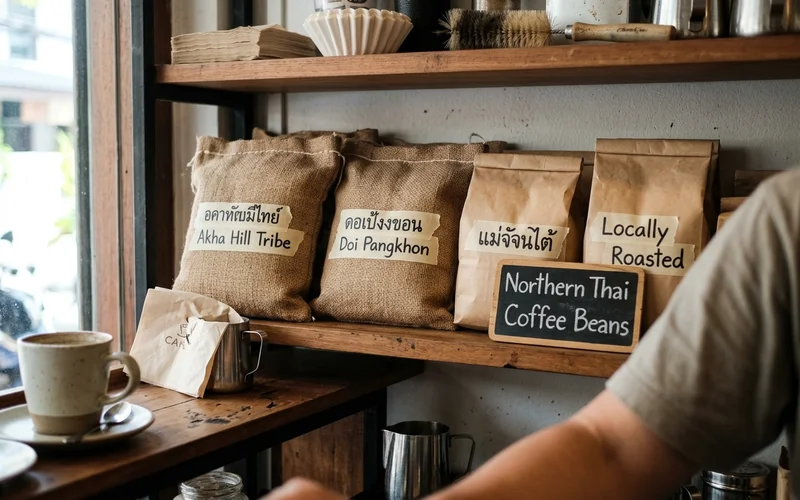
Arabica grows in the highlands north and west of Chiang Mai at elevations that suit it. Doi Chang is the best-known origin, with Doi Saket, Mae Taeng, Doi Inthanon and a scattering of smaller producing areas also represented.
Typical character: medium body, chocolate and nut notes, sometimes stone fruit at the better lots, generally lower acidity than East African coffees. It’s approachable rather than showy, and it does well as filter.
Several Chiang Mai roasters buy directly from named farms and can tell you the elevation, the processing method and the harvest. Ask — most are delighted to be asked.
Where the good cafés are
Nimman. The densest concentration in the city. Modern spaces, well-trained baristas, consistent quality. Also the busiest and the most expensive.
Santitham. Smaller, cheaper, more independent. Some of the most interesting new openings of recent years have been here, and the rooms are quieter.
The Old City. Scattered rather than clustered, with several excellent places in the quieter lanes. Good to combine with a temple morning.
Wat Ket and the riverside. Fewer places, but the ones that exist are often in beautiful converted buildings with river views.
Chang Moi. The newest cluster, in converted shophouses. Small, independent, worth an hour of wandering.
What to order
| Drink | Roughly | Notes |
|---|---|---|
| Espresso | 60–90 THB | The quickest read on a café’s standards |
| Flat white / latte | 80–130 THB | The Chiang Mai default |
| Pour-over / V60 | 100–180 THB | Where single-origin Thai beans show best |
| Cold brew | 90–150 THB | Ubiquitous, and welcome from March onward |
| Thai iced coffee (oliang) | 35–50 THB | Different tradition entirely, and excellent |
Don’t skip the last one. Thai-style iced coffee from a street cart — strong, sweet, poured over condensed milk — is a genuinely good drink and costs a fifth of a flat white.
How to find the good ones
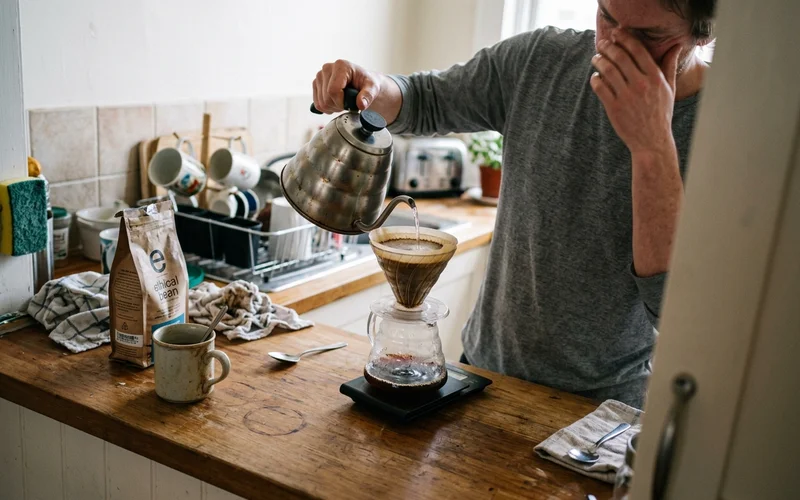
Look at the grinder and the scales. A café weighing doses and shots is taking it seriously.
Read the bean list. Named origins and roast dates signal care. “House blend” with no further information signals less.
Ask what’s on filter. A café with a rotating single-origin filter offering is a café where someone is paying attention.
Order black once. Milk hides a lot. An espresso or a filter tells you what the roaster is actually doing.
Buying beans
Most specialty cafés sell retail bags, usually 250g, typically 300–600 THB for local beans and more for imported. It’s excellent value for coffee this fresh.
If you’re setting up at home, buy from a café whose coffee you’ve drunk and liked, ask for a grind recommendation for your brewer, and buy small and often rather than in bulk.
For cafés selected on workability rather than coffee quality, see our guide to the best cafés to work from.