Festivals & Events Calendar
Chiang Mai Seasons: When to Visit
When to visit Chiang Mai — the cool, hot and green seasons, the burning-season caveat, and how festivals shape the best time to come.
6 min read
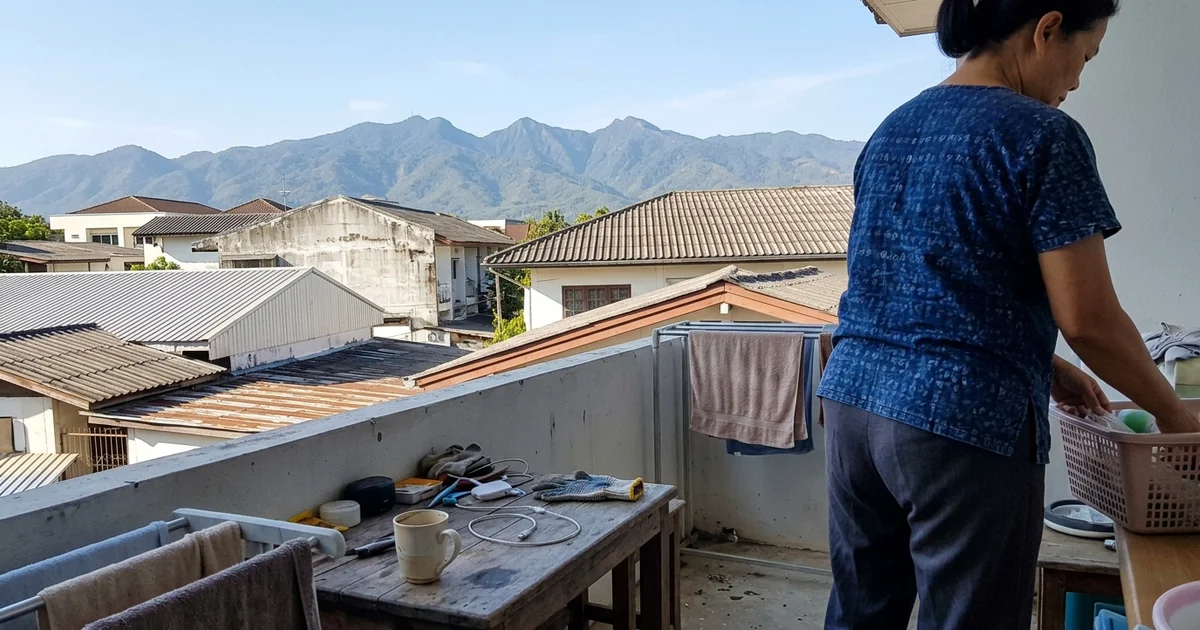
Four seasons, not three
Thailand is usually described as having three seasons. Chiang Mai effectively has four, because the smoke season sits inside the hot season and behaves like its own thing entirely.
Getting this right is the single most consequential planning decision for a trip here. This guide sits under our festivals and events hub.
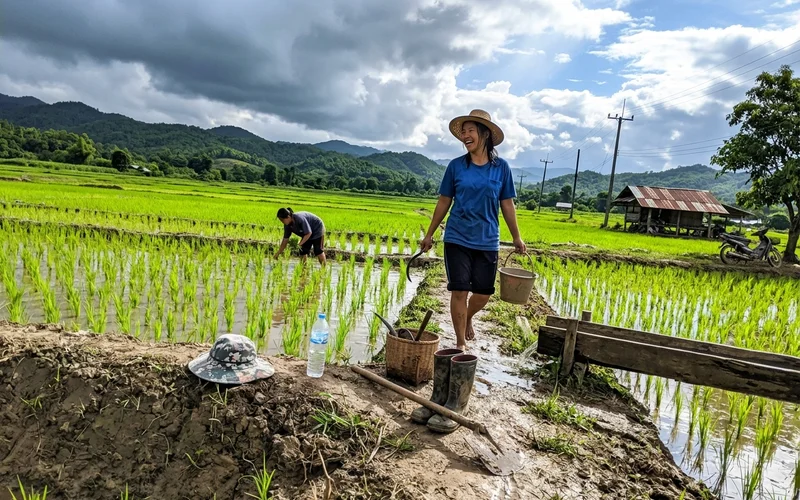
The year at a glance
| Months | Season | Weather | Air | Crowds | Prices |
|---|---|---|---|---|---|
| Nov–Feb | Cool | 15–30°C, dry, clear | Excellent | High | High |
| Feb–Apr | Smoke | Hot, dry, hazy | Poor | Low | Low |
| Apr–May | Hot | 35–40°C | Improving | Moderate | Moderate |
| Jun–Oct | Green | 25–33°C, afternoon rain | Good | Low | Lowest |
Cool season: November to February
The best months, without qualification. Daytime highs settle in the high twenties, mornings drop into the teens and occasionally lower, humidity disappears, and the mountains become sharply visible again.
Everything the city does outdoors works in these months: terraces, markets, mountain trips, temple mornings, riding.
It’s also the festival season — the November lantern festivals fall in this window — and the busiest and most expensive time to be here. Book well ahead, particularly around Yi Peng and Loy Krathong.
Come now if: you want the best weather and don’t mind crowds and prices.
Smoke season: February to April
The one to plan around. Agricultural burning across the region, combined with the valley’s geography and still dry-season air, produces weeks of poor air quality, peaking reliably in March.
Prices and crowds drop, which is the market accurately pricing the experience. Mountain views are limited, outdoor life becomes uncomfortable, and many long-term residents leave for a few weeks.
Our guide to burning season dates covers the timeline in detail, and the air quality hub covers what to do if you’re here through it.
Avoid if you can. If you can’t, plan an indoor-heavy trip and bring a mask.
Hot season: April to May
April is the hottest month of the year, regularly reaching the high thirties and occasionally forty. It’s also when Songkran falls, which is either the reason to come or the reason to stay away.
The air usually clears once the first substantial rains arrive, generally mid-to-late April. That transition is dramatic — a hazy city becomes a clear one within a day.
Come now if: you want Songkran. Otherwise, it’s the hottest and among the least comfortable months.
Green season: June to October
The most underrated window. Rain in northern Thailand typically means a heavy afternoon or evening downpour lasting an hour, not days of grey drizzle. Mornings are frequently clear.
What you get: dramatically green landscape, full waterfalls, clean air, very few other visitors, and the lowest prices of the year on accommodation. What you give up: reliable dry afternoons, and some mountain roads become less appealing in heavy rain.
For anyone flexible and price-sensitive, this is arguably the best value time to come.
Come now if: you want quiet, green landscape and cheap accommodation, and can plan around afternoon showers.
Timing around festivals
| Festival | When | Effect on a trip |
|---|---|---|
| Yi Peng / Loy Krathong | November, lunar-dependent | Spectacular; book months ahead |
| Songkran | Mid-April | Citywide water fight; unavoidable if you’re in town |
| Chinese New Year | Jan/Feb | Warorot area celebrations, busier flights |
| Flower Festival | Early February | Parades and displays, pleasant weather |
The short recommendation
Best overall: November to early February. Best value: July to September. Best avoided: March. Best for a specific experience: November for lanterns, April for Songkran.
If you’re weighing a March trip against a November one, take November. It’s not close.